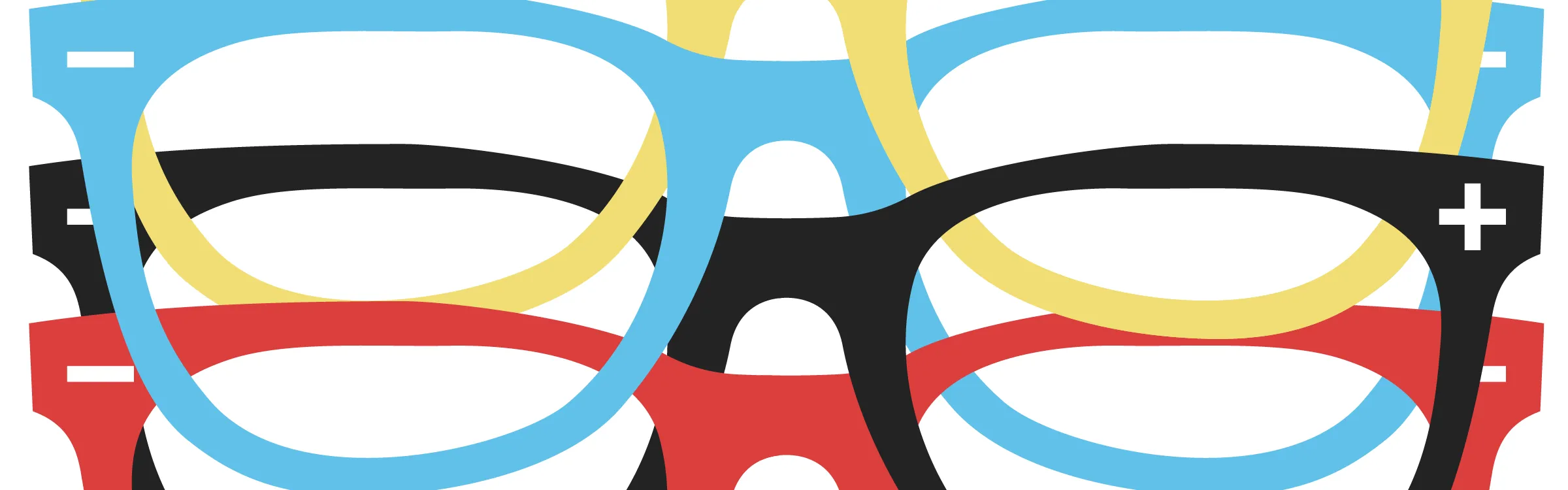
I was 6 years old when I got my first pair of glasses. I don’t really remember the process—visiting to the optometrist, choosing frames—but I can vividly recall our drive home after picking up my new specs. As I gazed out the window of our minivan, I was astonished to find that instead of fuzzy blobs, I could now see the individual leaves on trees. I could make out the texture of the tree bark and even the ripples in the water as we drove past the nearby reservoir. The world was so full of beautiful detail—and I hadn’t been aware of any of it.
According to a 2025 Gallup poll, only 35% of the American general public—a record low—are satisfied with the quality of public schools. Here’s where it gets interesting, though: When Gallup asked actual parents of K-12 students about the public education their own children were receiving, 74% said they were either completely or somewhat satisfied. In other words, people who are experiencing public K-12 education firsthand view it much more favorably than those who aren’t.
The truth is, lots of people have a very fuzzy view of public education. They can make out the basic shapes, but from a distance, they can’t see all the beautiful details that make public schools worth celebrating. That lack of perspective, in turn, fuels common misconceptions: that public schools are broken, that students aren’t being prepared for the real world, that private school and homeschooling are unequivocally better options. As champions of public ed, it’s our job to be the optometrists: to give our communities new frames through which to see public schools.
But how do we actually do that? How can we help people see our schools more clearly? Maybe it means tackling those common criticisms head-on, correcting the misconceptions and offering a different point of view. Maybe it means inviting members of your community—especially those without kids—into your schools for a firsthand look. Maybe it means rethinking how you talk about your job in public ed, or redefining school success to encompass more than test scores. We’ll show you how you can take all these steps and more in this issue of SchoolCEO.
No matter how you work to reframe your schools, not everyone will shift their perspective. After all, you can give someone glasses, but you can’t force them to see clearly. Some people, though, will be just like tiny Melissa gazing out the window: astonished. They had no idea public schools looked like this—but now, they can see all the details. And they can’t wait to tell everyone all about it.





I was 6 years old when I got my first pair of glasses. I don’t really remember the process—visiting to the optometrist, choosing frames—but I can vividly recall our drive home after picking up my new specs. As I gazed out the window of our minivan, I was astonished to find that instead of fuzzy blobs, I could now see the individual leaves on trees. I could make out the texture of the tree bark and even the ripples in the water as we drove past the nearby reservoir. The world was so full of beautiful detail—and I hadn’t been aware of any of it.
According to a 2025 Gallup poll, only 35% of the American general public—a record low—are satisfied with the quality of public schools. Here’s where it gets interesting, though: When Gallup asked actual parents of K-12 students about the public education their own children were receiving, 74% said they were either completely or somewhat satisfied. In other words, people who are experiencing public K-12 education firsthand view it much more favorably than those who aren’t.
The truth is, lots of people have a very fuzzy view of public education. They can make out the basic shapes, but from a distance, they can’t see all the beautiful details that make public schools worth celebrating. That lack of perspective, in turn, fuels common misconceptions: that public schools are broken, that students aren’t being prepared for the real world, that private school and homeschooling are unequivocally better options. As champions of public ed, it’s our job to be the optometrists: to give our communities new frames through which to see public schools.
But how do we actually do that? How can we help people see our schools more clearly? Maybe it means tackling those common criticisms head-on, correcting the misconceptions and offering a different point of view. Maybe it means inviting members of your community—especially those without kids—into your schools for a firsthand look. Maybe it means rethinking how you talk about your job in public ed, or redefining school success to encompass more than test scores. We’ll show you how you can take all these steps and more in this issue of SchoolCEO.
No matter how you work to reframe your schools, not everyone will shift their perspective. After all, you can give someone glasses, but you can’t force them to see clearly. Some people, though, will be just like tiny Melissa gazing out the window: astonished. They had no idea public schools looked like this—but now, they can see all the details. And they can’t wait to tell everyone all about it.